
The history of flats in Scotland
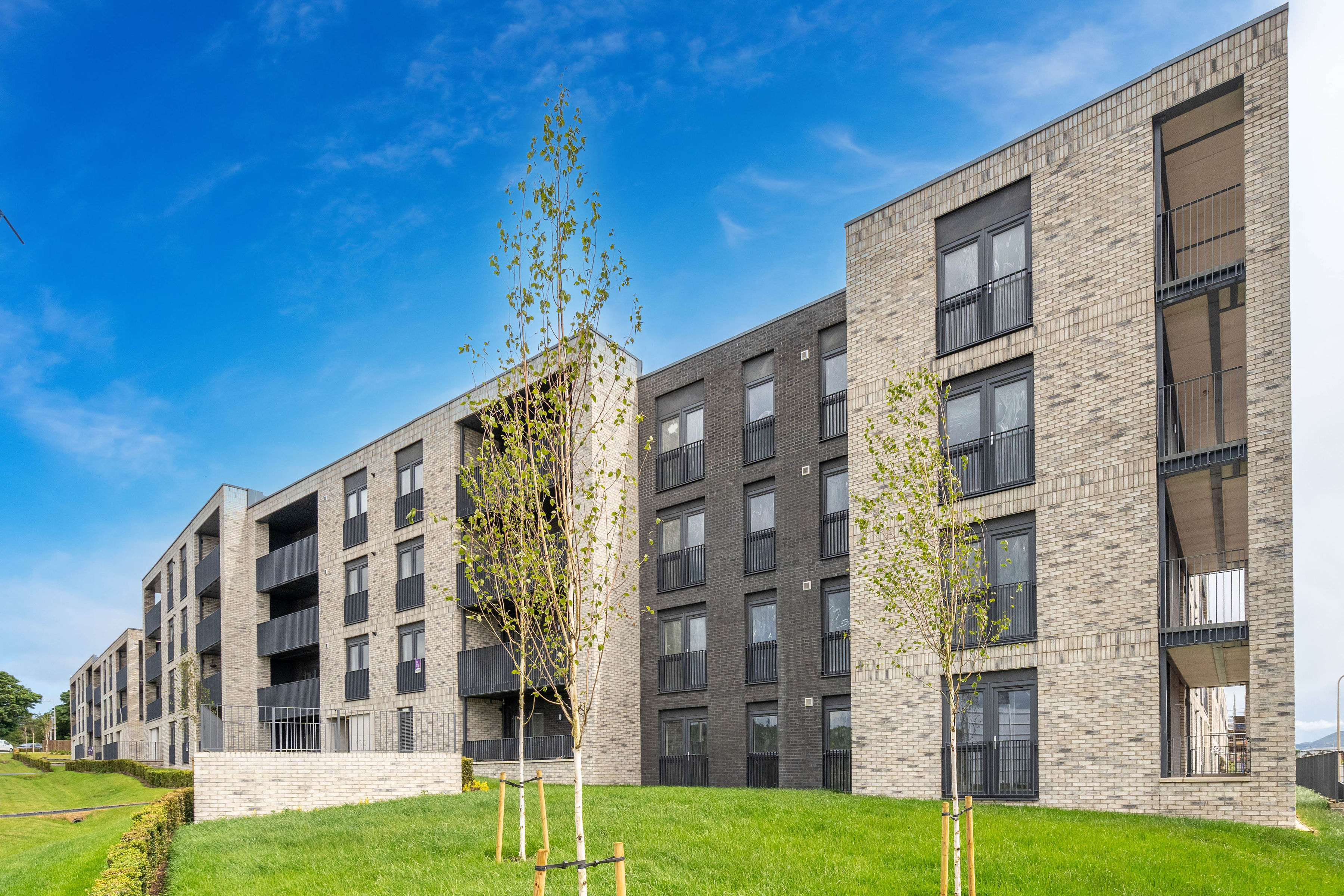
Necessity is often said to be the mother of invention, and that’s particularly true in terms of housing. Flats originated in Scotland long before they were common elsewhere in the United Kingdom, while the classic tenement remains one of our greatest architectural gifts to the world. Yet things could easily have been different…
Something Old, something New
Today, Edinburgh’s Old Town is a world-famous hub of tourism and culture, but in the 17th century, it was squalid. The city walls hemmed in the population, meaning the only way was up in terms of building new homes. The resulting wynds and closes became lined with some of Europe’s tallest residential buildings, though they were pretty dingy and usually smoke-filled at the time, as Edinburgh’s Auld Reekie nickname acknowledges. Eventually, peacetime allowed the developers of the New Town to create gentrified and well-spaced apartment blocks, learning from the Old Town’s overcrowding and construction mistakes. By the time the New Town was concluded in the mid-19th century, low-rise tenement blocks were springing up across other Scottish cities as heavy industry and shipping created a jobs bonanza.
While Glasgow received some of Scotland’s finest tenements, it also acquired many of the worst, with slum landlords building and maintaining some truly dismal blocks. Allied to bomb damage after World War II and growing awareness of poverty, comprehensive redevelopment areas were declared across Glasgow, where developers like Cruden assembled a variety of low and high-rise buildings to permit slum clearances. The lessons learned from these post-war developments inspired the large windows and low-rise design of modern social housing, while private flatted developments are still typically three or four storeys tall with wide closes and landscaped communal grounds.
Enduring appeal
Spacious and well-designed flats have always appealed to people because of their relative affordability compared to houses, while they’re also very easy to live in. There’s no obligation to undertake gardening (though communal grounds offer scope for green fingers and sunbathing), external maintenance is typically outsourced to factors, and shared internal walls minimise heat loss. It’s cost effective for suppliers to pre-wire apartment buildings with broadband and satellite TV, while video intercoms simplify the old ring-and-hope buzzer systems of yesteryear.
Flats can also be highly practical; a ground floor apartment is ideal for residents with limited mobility. It’s often easier to distribute WiFi signals around a single storey property than into attics and basements. There’s no dragging laundry baskets up and down stairs to the washing machine (though many flatted developments retain drying greens), and developments with lifts simplify one-off tasks like furniture deliveries. Balconies and terraces offer private spaces to enjoy warm weather, and gated or underground residential parking is highly secure.
A mixed bunch
In city centre developments, density often remains as essential as it was in historic Edinburgh. Elsewhere, modern flats are often built alongside townhouses, terraces and semi- or detached villas. Developers have a far better understanding of different lifestyle choices and requirements nowadays, while mixed developments can be especially socially cohesive. Cruden Homes’ developments from West Craigs to Longniddry blend houses and flats, with the former including everything from one-bedroom starter flats to three-bedroom properties with en-suites and utility rooms.
Meanwhile, the historic advantages of flats are maintained – not least their relative affordability compared to houses, as several apartments can share a single plot of land. Since many of our developments are bespoke and unique, there’s also huge diversity in apartment design, optimising the prospects of finding a property that’s perfect for your current and future requirements.
Back to Latest Posts